
SPIRITUAL EXERCISES
Spiritual Exercises
Meditation And Solitude: Building Depth In Your Walk With God
The missing dimension in spiritual growth
Many people stay active spiritually—praying, attending gatherings, engaging in different activities—yet still feel shallow, distracted, or unclear within. The issue is often not effort, but depth.
Scripture consistently shows that spiritual strength is not built only in public activity, but in quiet, intentional moments with God. Two practices stand out in this regard: meditation and solitude. These are not optional extras—they are essential for anyone who wants to grow beyond surface-level faith.
What is biblical meditation
Meditation in scripture is not emptying the mind. It is filling the mind with God’s Word and reflecting on it deeply. The instruction is clear: “this book of the law shall not depart out of thy mouth; but thou shalt meditate therein day and night” (Joshua 1:8). Meditation involves thinking on the Word, speaking it, and allowing it to shape your understanding. The Psalms describe the same pattern: “his delight is in the law of the Lord; and in his law doth he meditate day and night” (Psalm 1:2). This kind of engagement leads to stability and fruitfulness. Meditation slows you down enough to actually understand and internalize what God has said.
Solitude: creating space for God
Solitude is the deliberate act of stepping away from noise, activity, and distraction to be alone with God. It is in solitude that focus is restored. Without it, the mind is constantly pulled in different directions. Scripture shows that even in busy environments, there must be intentional withdrawal. David demonstrated this posture when he said, “commune with your own heart upon your bed, and be still” (Psalm 4:4). Stillness is not inactivity—it is positioning yourself to hear and reflect.
Jesus loved solitude
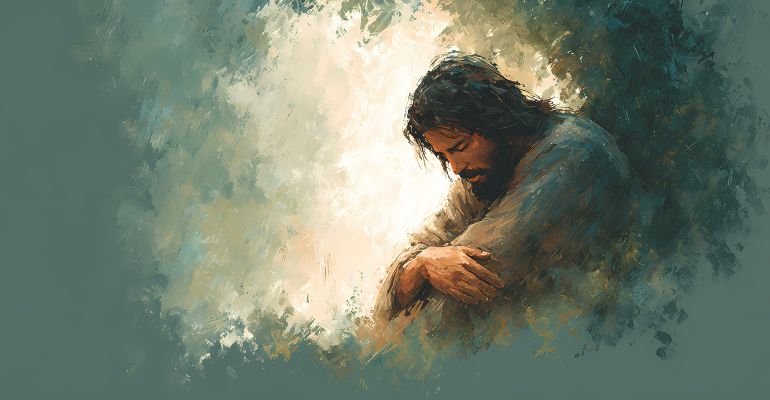
Jesus consistently practiced solitude and reflection. Despite the demands around Him, He created space to be alone with God. Scripture records that “he withdrew himself into the wilderness, and prayed” (Luke 5:16). This was not occasional but habitual.
At key moments, He stepped away from people and activity. Before major decisions, He spent extended time alone with God (Luke 6:12). This shows that solitude is not avoidance; it is preparation.
Why meditation and solitude matter for growth
These practices produce depth that cannot be achieved through activity alone.
Clarity: Meditation helps you understand what God has said, not just hear it. Jesus said that when the message of the kingdom is heard but not understood, its impact is nil.
Stability: “he shall be like a tree planted by the rivers of water” (Psalm 1:3).
Direction: Quiet reflection allows you to process and align with God’s will.
Inner strength: Time alone with God builds the inner life, not just outward expression.
Without meditation and solitude, a believer may remain busy but shallow. The person may be exposed to truth but not established in it.
Let’s go deeper
Meditation and solitude are not complicated, but they require intention. You have to create the space. You have to slow down. You have to choose depth over constant activity.
You need to go beyond surface-level spirituality and begin to grow in clarity, stability, and real understanding. Join us and let’s do this together.